You’re in the beverage aisle looking at two bottles of water. Both labels say “water,” both bottles hold about the same amount, and one costs nearly twice as much as the other. You may wonder what you would actually get for the extra money.
Premium bottled water usually earns its name through several things working together: where the water comes from; the minerals it naturally contains; how it tastes; and how carefully the brand sources, bottles and documents it. Packaging and price play a part too. Understanding these differences can help you decide which ones matter to you.
It Starts with the Source
The biggest difference between bottled waters often comes down to origin. Natural spring water comes from an underground source that flows naturally to the surface, picking up minerals along the way. Purified water goes through treatment that removes impurities and minerals, and some brands add minerals back in to shape its taste.
Mineral water and artesian water each have their own definitions based on mineral levels or how the water reaches the surface.
What the Label Can Tell You
 One of the easiest ways to understand what’s in your bottled water is to read the label. Look for terms such as spring water or purified water, and check whether any minerals or electrolytes have been added.
Natural spring water contains minerals acquired through its journey underground, while some purified waters have minerals added after treatment. Added ingredients should be identified on the label.
You may also notice that some bottled waters don’t have a Nutrition Facts panel. That’s not unusual, as certain bottled waters are exempt from nutrition labeling requirements. The more useful distinction is understanding where the water comes from and whether its minerals occur naturally or are added during processing.
Minerals, Taste and Personal Preference
Water that travels through the ground collects small amounts of naturally occurring minerals such as calcium, magnesium, potassium and bicarbonate. Those minerals can influence how water tastes and feels to drink, though the effect varies depending on the specific mineral profile and the person drinking it.
People describe water differently depending on what they’re used to drinking. Some find water with low mineral content tastes clean and neutral. Others notice more character in water with a higher mineral content. Those perceptions are personal, and the same water can come across quite differently from one person to the next.
More minerals don’t automatically mean better water. What someone enjoys comes down to preference, and there’s no right answer. If you’ve noticed that one bottled water tastes different from another, you’ve already seen how source and minerals show up in the glass. An easy way to find out what you like is to taste a few waters side by side at the same temperature.
What Quality and Transparency Look Like
When comparing premium bottled waters, look for information about where the water comes from, how it’s bottled and any available quality testing.
That kind of transparency gives you more to work with when evaluating what you’re paying for. A brand that makes its sourcing and testing information accessible gives you a clearer picture of what’s in the bottle.
Where Packaging Fits In
Thoughtful packaging and design can elevate the experience, whether the water is served at the dinner table or kept in the fridge.
Still, a beautiful bottle doesn’t change what’s inside. Packaging can add to the experience, but the water itself should hold its own.
Why Premium Water Costs More
Several factors can push the price of bottled water higher. Sourcing and bottling locations play a role, as does the type of packaging a brand uses. Distribution adds cost too, since water is heavy and shipping it from a specific source to stores across the country adds up. Brand positioning is part of it as well. Some of the price reflects how a company markets itself and where it wants to sit in the market.
A higher price doesn’t always mean better water. Knowing what goes into the cost helps you decide what you’re actually paying for.
Deciding What’s Worth It to You
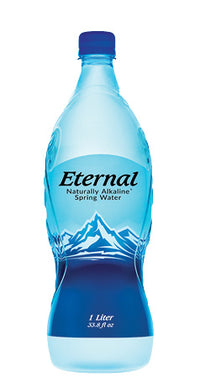
Eternal Water is naturally alkaline spring water sourced from protected springs in the United States. As the water travels through layers of rock, it naturally acquires minerals that contribute to its clean, smooth taste and naturally alkaline pH of 7.5 or higher.
What makes water worth paying more for comes down to what you value. Some people care most about the source. Others want a taste they enjoy or a brand they feel good about choosing. Start there, and the right water tends to follow.